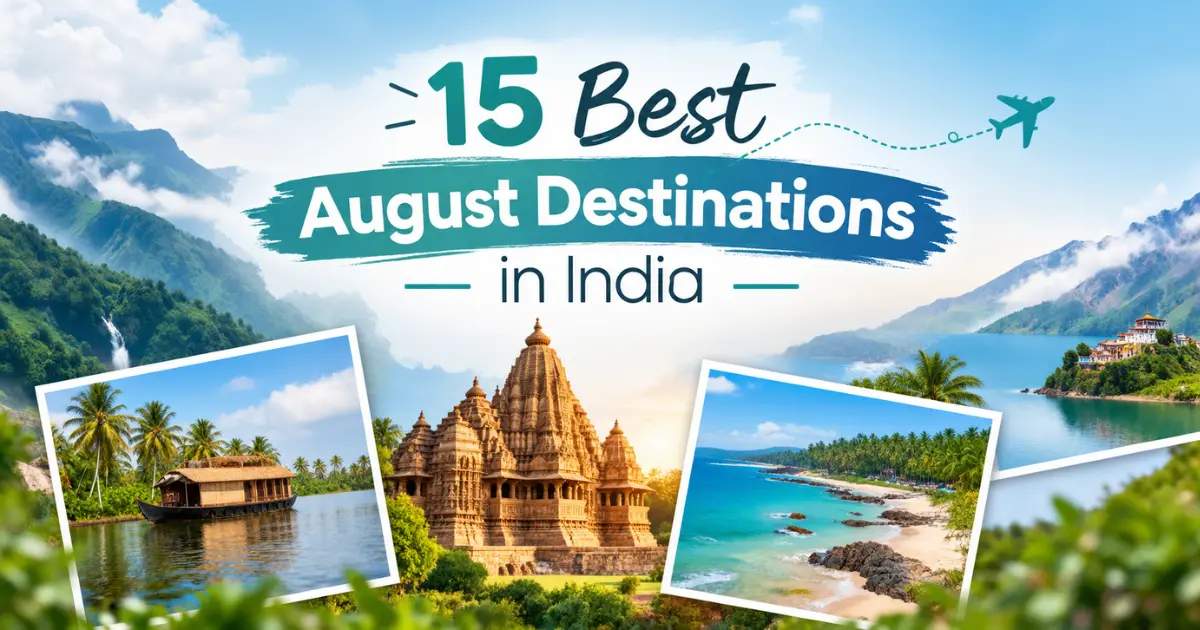
When July arrives, it brings a dramatic transformation across the Indian subcontinent. The scorching summer heat yields to refreshing rain, dry landscapes turn into vibrant carpets of emerald green, and dusty rivers transform into roaring waterfalls.
For travelers, the monsoon season is one of the most magical times to explore. While some regions experience heavy downpours, others—like the rain-shadow areas of the Himalayas—enjoy clear, sunny skies.
Whether you want to witness the misty hills of the Western Ghats, trek through a valley carpeted with alpine flowers, or embark on a high-altitude road trip, here are the 20 best places to visit in India in July.
The Rain-Shadow Retreats & High-Altitude Wonders
If you want to travel in July but prefer to avoid heavy rains, these high-altitude destinations are sheltered by mountain ranges and receive minimal rainfall.
1. Ladakh, Jammu & Kashmir

For those seeking the ultimate escape from the monsoon rain, Ladakh is one of the best places to travel in July. Nestled in the rain shadow of the Himalayas, Ladakh enjoys bright, warm sunny days and clear skies during this month. July is also peak season, meaning all high-altitude passes (like Khardung La and Chang La) are open, and the stunning lakes of Pangong Tso and Tso Moriri are blindingly blue.
- Why Visit in July: Perfect weather for trekking, road trips, and exploring monasteries.
- Key Highlights: Pangong Tso, Nubra Valley, Magnetic Hill, and Hemis Monastery.
- Pro-Tip: Spend at least 48 hours in Leh to acclimatize to the high altitude before heading higher.
2. Spiti Valley, Himachal Pradesh

Like Ladakh, Spiti Valley is a cold desert mountain valley that remains dry when the rest of India is drenched in rain. July is the perfect window to explore this rugged landscape. The roads from both Manali (via the Atal Tunnel and Kaza road) and Shimla are clear, allowing you to witness ancient Tibetan monasteries perched precariously on cliffs.
- Why Visit in July: Mild temperatures, clear roads, and vibrant local festivals.
- Key Highlights: Key Monastery, Chandratal Lake, Dhankar Monastery, and Hikkim (the world’s highest post office).
- Pro-Tip: Rent a sturdy 4×4 SUV as the water crossings (nullahs) can be wild due to melting snow.
3. Valley of Flowers, Uttarakhand
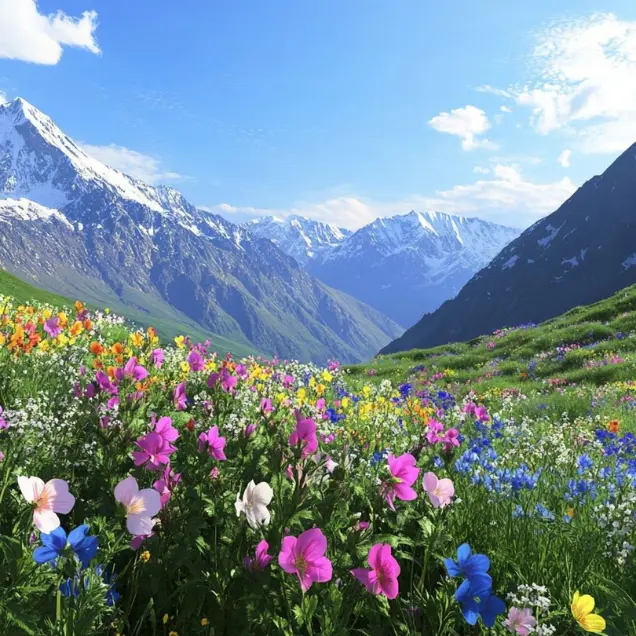
If you want to see nature in its most vibrant, untouched state, the Valley of Flowers is one of the most spectacular places to visit in India in July. This UNESCO World Heritage Site opens in June, but it truly comes alive in July and August. Hundreds of species of endemic alpine flowers—including the rare blue poppy—bloom to form a colorful natural carpet set against snow-capped peaks.
- Why Visit in July: The peak blooming season begins, turning the valley into a living watercolor painting.
- Key Highlights: Hemkund Sahib, trekking amidst pristine floral pastures.
- Pro-Tip: The trek is moderately difficult; wear sturdy, waterproof hiking boots with good grip.
The Romantic Monsoons of Western India
Western India embraces the monsoon with open arms. The rugged hills of Maharashtra and the royal lakes of Rajasthan offer some of the most romantic backdrops in July.
4. Udaipur, Rajasthan
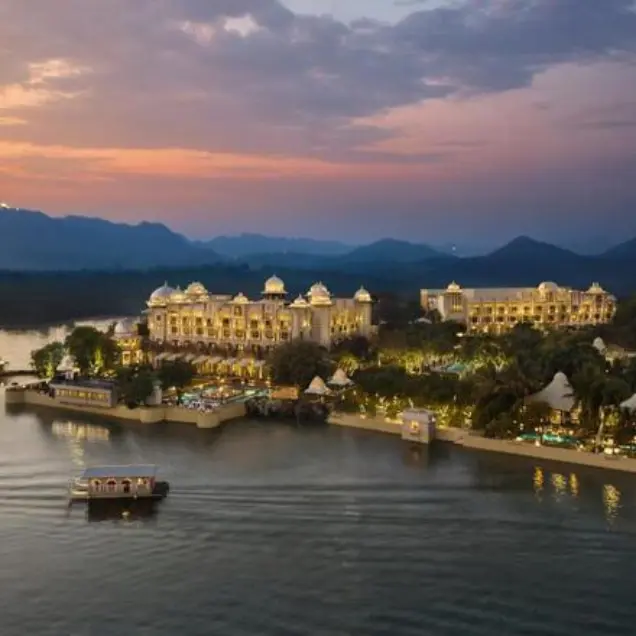
Known as the “City of Lakes,” Udaipur takes on a mesmerizing charm during the monsoons. The lakes—including Lake Pichola and Fateh Sagar Lake—fill up, the surrounding Aravalli hills turn lush green, and the palaces look majestic under overcast skies. The weather becomes incredibly pleasant, making it a wonderful alternative to the scorching summer months.
- Why Visit in July: Romantic boat rides in cool, breezy weather with fewer tourist crowds.
- Key Highlights: City Palace, Lake Palace, Monsoon Palace (Sajjangarh), and Saheliyon-ki-Bari.
- Pro-Tip: Book a lakeside heritage hotel to watch the rain fall over the water.
5. Lonavala & Khandala, Maharashtra
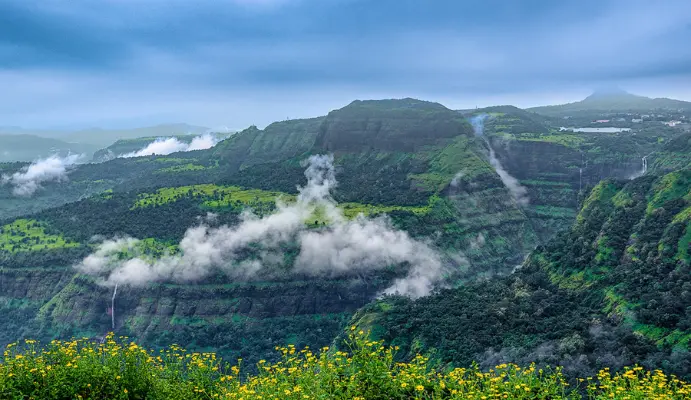
For city dwellers in Mumbai and Pune, Lonavala and Khandala are the quintessential monsoon getaways. In July, these twin hill stations are blanketed in thick fog, with hundreds of seasonal waterfalls cascading down the steep cliffs of the Western Ghats.
- Why Visit in July: The iconic Bhushi Dam overflows, and the valleys are shrouded in mysterious mist.
- Key Highlights: Tiger’s Leap, Rajmachi Fort, Karla Caves, and Bhushi Dam.
- Pro-Tip: Avoid weekends if you want to escape heavy tourist traffic; visit mid-week for a peaceful experience.
6. Panchgani, Maharashtra
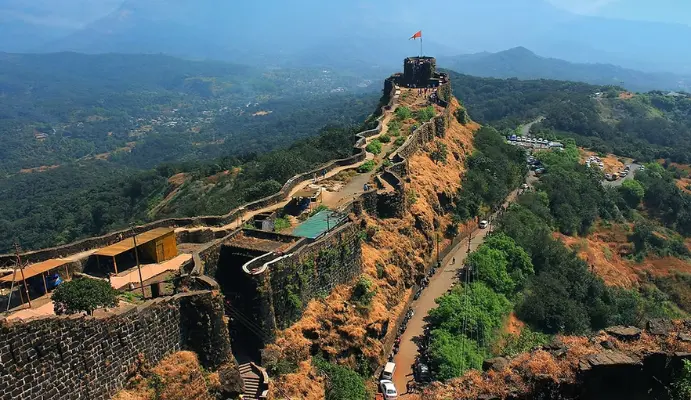
Located near Mahabaleshwar, Panchgani is famous for its flat volcanic plateau known as the ‘Table Land’. During July, this plateau is enveloped in clouds, and the surrounding Krishna Valley is painted in deep shades of green.
- Why Visit in July: Peaceful walking trails, crisp mountain air, and breathtaking views of the Dhom Dam lake.
- Key Highlights: Table Land, Sydney Point, Parsi Point, and local strawberry farm estates.
- Pro-Tip: Try the local hot corn cob (bhutta) and strawberry cream at the local markets.
7. Mahabaleshwar, Maharashtra
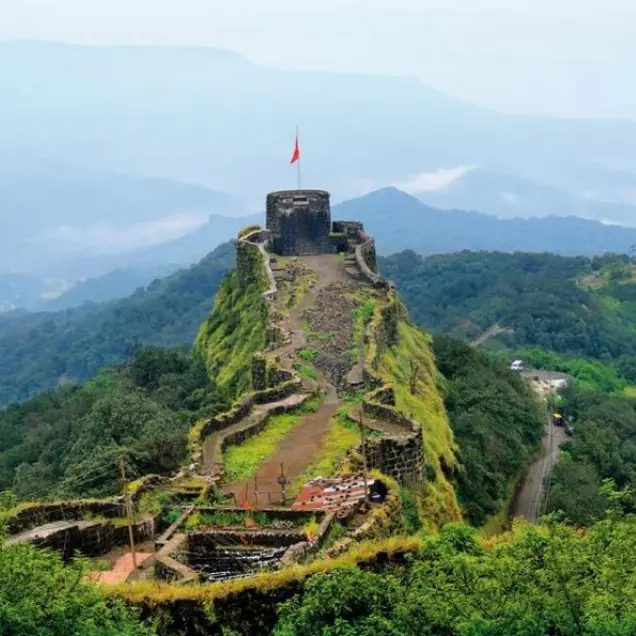
If you love heavy, relentless rains and dramatic misty landscapes, Mahabaleshwar is one of the best places to visit in India in July. The birthplace of the Krishna River, this hill station experiences a dramatic monsoon with heavy downpours that feed spectacular waterfalls like Lingmala and Dhobi Falls.
- Why Visit in July: Roaring waterfalls and mist-laden viewing points that make you feel like you are walking on clouds.
- Key Highlights: Arthur’s Seat, Elephant’s Head Point, and Lingmala Waterfall.
- Pro-Tip: Carry high-quality umbrellas and windbreakers, as wind speeds can be high.
8. Mount Abu, Rajasthan
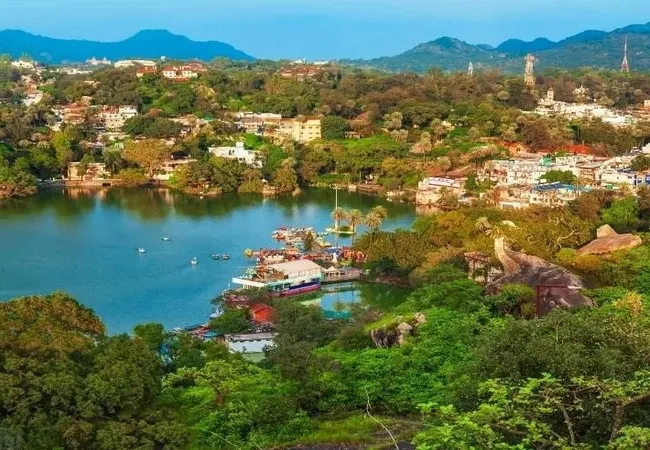
As the only hill station in the desert state of Rajasthan, Mount Abu is a unique monsoon destination. In July, the rocky terrain softens with green vegetation, and Nakki Lake looks serene under the grey, rain-bearing clouds. It offers a cool, misty respite from the humid plains of Northern and Western India.
- Why Visit in July: Lower temperatures, beautiful mist, and the unique experience of a green desert hill station.
- Key Highlights: Dilwara Temples, Nakki Lake, Toad Rock, and Sunset Point.
- Pro-Tip: Take a pedal boat ride on Nakki Lake while a light drizzle falls.
The Emerald Hills & Waterfalls of Southern India
Southern India receives the full bounty of the Southwest Monsoon. The hill stations of Karnataka, Kerala, and Tamil Nadu become incredibly lush, making them some of the best places to travel in July.
9. Coorg, Karnataka
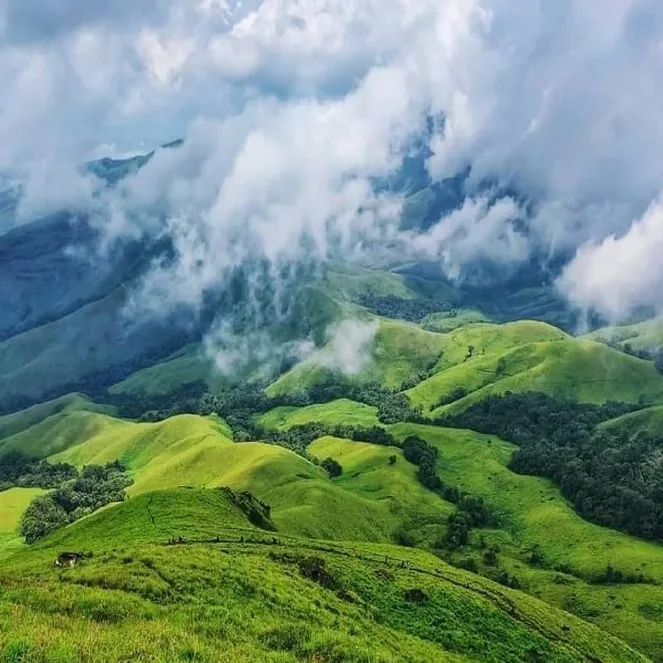
Affectionately called the “Scotland of India,” Coorg is a paradise for nature lovers in July. The endless coffee plantations and spice estates are washed clean by the rain, filling the air with a fresh, earthy aroma. The waterfalls, such as Abbey and Iruppu, cascade down with immense force.
- Why Visit in July: Roaring waterfalls, white-water rafting in the Barapole River, and mist-laden coffee estate stays.
- Key Highlights: Abbey Falls, Raja’s Seat, Dubare Elephant Camp, and Talakaveri.
- Pro-Tip: Book a homestay inside a working coffee plantation for an authentic local experience.
10. Munnar, Kerala

Munnar is synonymous with sprawling tea gardens that drape over the rolling hills of the Western Ghats. In July, Munnar is incredibly quiet, romantic, and beautifully green. The low-hanging clouds kissing the tea leaves create a dreamlike atmosphere.
- Why Visit in July: Off-season rates at luxury resorts and the chance to see the tea gardens glistening in the rain.
- Key Highlights: Eravikulam National Park, Mattupetty Dam, Anamudi Peak, and Attukad Waterfalls.
- Pro-Tip: Sip on hot, locally brewed cardamom tea while watching the rain from your balcony.
11. Wayanad, Kerala

Wayanad is a green oasis nestled in the mountains of Kerala. July marks the peak of the monsoon here, turning the spice plantations, waterfalls, and paddy fields into a verdant wonderland. It’s also the perfect time to experience traditional Ayurvedic monsoon rejuvenation therapies.
- Why Visit in July: Treehouse stays amidst rain forests and trekking up to mist-covered peaks.
- Key Highlights: Banasura Sagar Dam (India’s largest earth dam), Chembra Peak, and Edakkal Caves.
- Pro-Tip: The trek to Chembra Peak’s heart-shaped lake is exceptionally beautiful but can be slippery, so hire a local guide.
12. Kodaikanal, Tamil Nadu

Referred to as the “Princess of Hill Stations,” Kodaikanal is located in the Palani Hills of Tamil Nadu. The monsoon brings out the best in this town’s forest-fringed artificial lake, misty valleys, and pine forests.
- Why Visit in July: The weather is cool and pleasant, and the walking trails are incredibly scenic.
- Key Highlights: Kodaikanal Lake, Coaker’s Walk, Bryant Park, and Pillar Rocks.
- Pro-Tip: Walk along Coaker’s Walk in the morning to see the clouds rising from the valleys below.
13. Chikmagalur, Karnataka
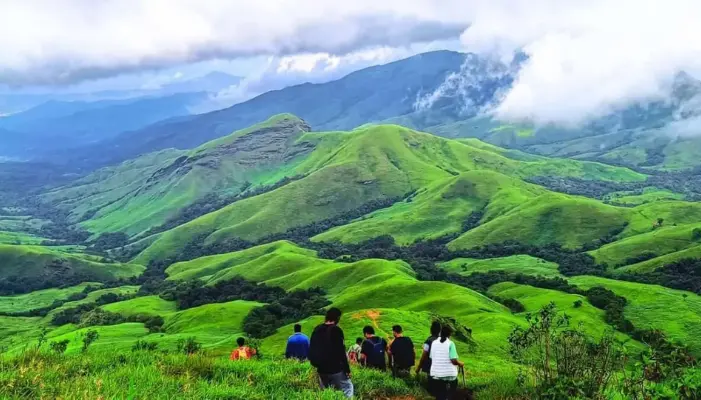
Chikmagalur is the birthplace of coffee in India. Known for its rugged mountains, dense forests, and pleasant climate, it is a favorite spot for trekkers. In July, the peaks of Mullayanagiri and Baba Budangiri are often completely hidden by dense fog.
- Why Visit in July: Trekking through misty grasslands and exploring tucked-away waterfalls deep in the forests.
- Key Highlights: Mullayanagiri (highest peak in Karnataka), Hebbe Falls, and Kemmangundi.
- Pro-Tip: Try the traditional “Filter Kaapi” at a local café.
14. Jog Falls, Karnataka
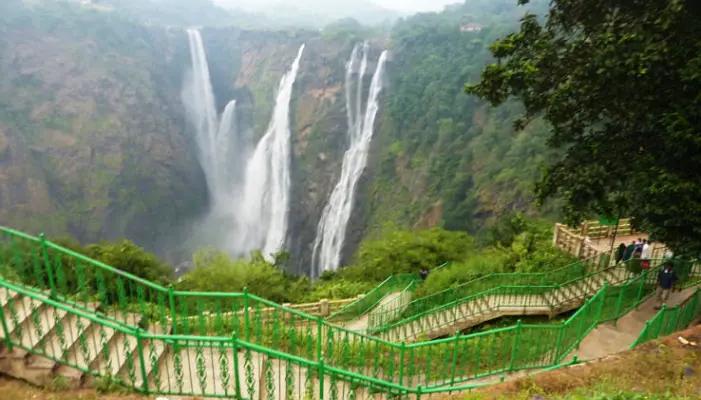
While not a town or hill station itself, Jog Falls deserves a spot on this list. It is one of the highest plunge waterfalls in India. During the dry season, it trickles down in thin streams, but July monsoons transform it into a spectacular, thundering giant surrounded by misty green cliffs.
- Why Visit in July: To see the Sharavathi River plunge down 830 feet in its full, majestic glory.
- Key Highlights: Viewing decks, nearby historic temples of Ikkeri and Keladi.
- Pro-Tip: Visit on a weekday afternoon when the fog often clears up to offer a panoramic view of the falls.
15. Athirappilly, Kerala
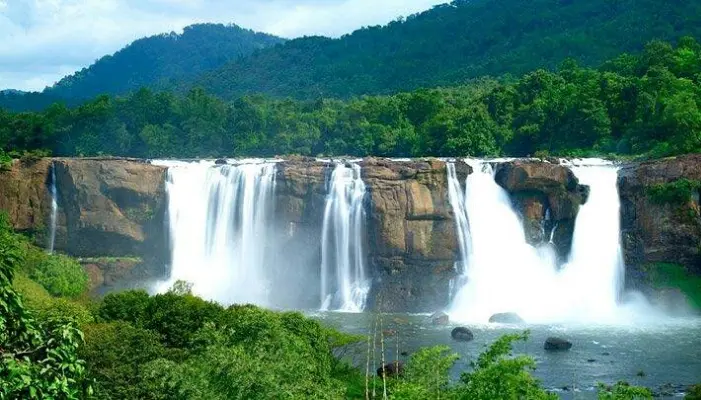
Known as the “Niagara of India,” Athirappilly Falls is a majestic 80-foot-tall waterfall located in the Thrissur district of Kerala. During July, the Chalakudy River swells, and the waterfall roars through the dense, tropical Sholayar forests.
- Why Visit in July: Unbelievable visual scale of the waterfall, which has starred in several blockbuster Indian films (like Baahubali).
- Key Highlights: Athirappilly and Vazhachal waterfalls, birdwatching in the surrounding rain forests.
- Pro-Tip: Stay at a resort that offers a direct view of the falls from your room.
Historic & Offbeat Monsoon Escapes
If you want to combine the beauty of the rains with history, culture, or unique landscapes, these destinations are top tier in July.
16. Orchha, Madhya Pradesh
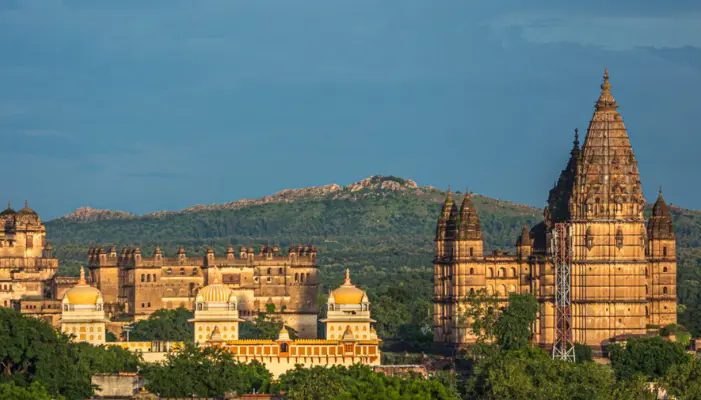
Orchha is a historic gem located on the banks of the Betwa River. In July, the dry, rocky plains of Madhya Pradesh turn lush green, and the Betwa River flows with incredible force. The grand, medieval palaces and cenotaphs (chhatris) of Orchha look spectacular under dark, stormy skies.
- Why Visit in July: The monuments look freshly washed, and the surrounding sanctuaries turn vibrant green.
- Key Highlights: Orchha Fort Complex, Jahangir Mahal, Chaturbhuj Temple, and the Betwa River cenotaphs.
- Pro-Tip: Take a heritage walk around the fort complex in the late afternoon when the rain subsides.
17. Mandu, Madhya Pradesh
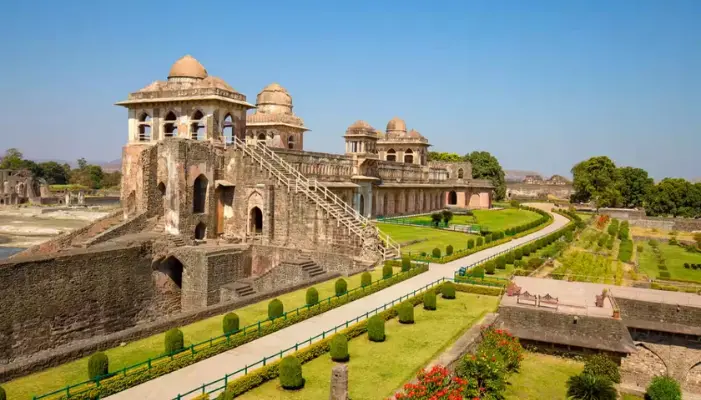
Mandu, or Mandavgad, is an ancient ruined city perched on a green plateau. Historically known as the “City of Joy,” Mandu is famous for its romantic legends of Prince Baz Bahadur and Rani Roopmati. In July, the ancient stone monuments and reservoirs are framed by emerald grass and misty lakes, bringing its poetic past to life.
- Why Visit in July: The Jahaz Mahal (Ship Palace), built between two lakes, actually looks like a ship floating on water during the monsoon.
- Key Highlights: Jahaz Mahal, Rani Roopmati’s Pavilion, and Hindola Mahal.
- Pro-Tip: Hire a local guide to narrate the legendary love stories associated with each monument.
18. Cherrapunji & Shillong, Meghalaya

Meghalaya literally translates to “The Abode of Clouds.” If you love rain, there is no better place on Earth than Cherrapunji and Shillong in July. This is the time when the living root bridges glow with life, and some of the tallest waterfalls in India plunge dramatically into deep, green gorges.
- Why Visit in July: To experience the raw power of nature in the wettest place on Earth, with waterfalls like Nohkalikai in full force.
- Key Highlights: Double Decker Living Root Bridge, Nohkalikai Falls, Mawlynnong (cleanest village in Asia), and Umiam Lake.
- Pro-Tip: Pack sturdy, slip-resistant waterproof shoes and keep a dry bag for your electronics.
19. Goa
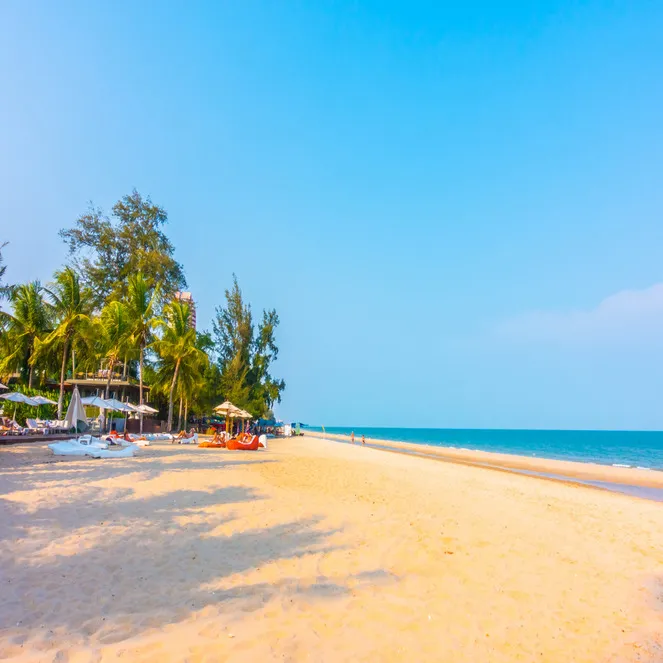
While Goa is historically a winter beach destination, monsoon tourism here has exploded. In July, Goa sheds its party skin and embraces its quiet, tropical roots. The beaches are empty, the spice plantations are lush, and the famous Dudhsagar Falls is at its most powerful.
- Why Visit in July: Incredible discounts on five-star luxury resorts, lush green countryside, and empty, peaceful beaches.
- Key Highlights: Dudhsagar Falls, Fontainhas (the Latin Quarter), spice plantation tours, and fort explorations.
- Pro-Tip: Avoid swimming in the sea as waters are rough; instead, focus on inland experiences and pool villas.
20. Amboli, Maharashtra
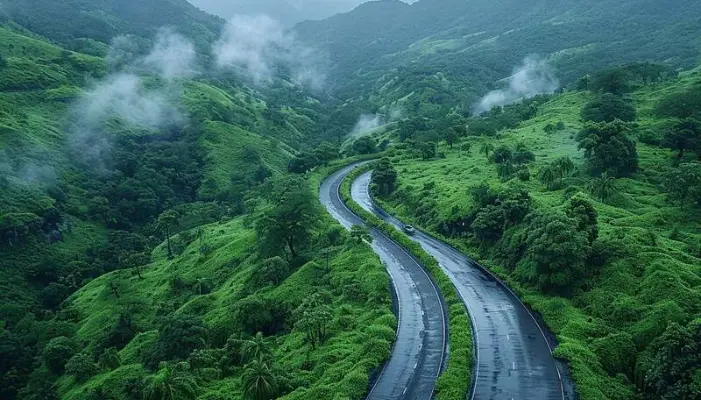
Amboli is a quiet, ecological hotspot located in the southern range of the Sahyadri hills in Maharashtra. Known as the “Cherrapunji of Maharashtra,” this hill station receives insanely high rainfall, resulting in a dense, mist-filled canopy home to unique flora, fauna, and endless cascading waterfalls.
- Why Visit in July: Spectacular misty drives, rich biodiversity (great for herping/amphibian spotting), and roaring waterfalls.
- Key Highlights: Amboli Falls, Shirgaonkar Point, and Nangarta Falls.
- Pro-Tip: Carry a salt packet or spray to protect yourself from leeches if you plan on walking through the forest trails.
Essential Tips for Traveling in India in July
- Check Road Conditions: If you are traveling to hilly areas like Himachal Pradesh or Uttarakhand, keep an eye on weather forecasts and road blockages due to occasional landslides.
- Pack Accordingly: Bring quick-dry clothing, heavy-duty umbrellas, waterproof jackets, and dry bags for your cameras and phones.
- Watch Out for Leeches: If you are trekking through wet forests in the Western Ghats or Northeast India, wear leech socks or apply salt/eucalyptus oil.
- Enjoy Off-Season Pricing: July is considered the shoulder or off-season for many parts of India (excluding Ladakh and Valley of Flowers). Do not hesitate to negotiate or look for discounted luxury stays in Goa, Rajasthan, and Kerala!
Frequently Asked Questions (FAQs)
Which are the safest places to visit in India in July?
High-altitude rain-shadow regions like Ladakh and Spiti Valley are highly safe as they receive minimal rainfall. Heritage destinations like Udaipur and Orchha are also excellent options since they do not suffer from monsoon-related landslides.
Is it safe to visit Himachal Pradesh or Uttarakhand in July?
While the Valley of Flowers is safe and highly recommended, general travel to deep Himalayan regions in Himachal and Uttarakhand can sometimes be risky due to cloudbursts and landslides. Always check the local weather advisory before traveling.
Where can I see the best waterfalls in July?
Jog Falls (Karnataka), Athirappilly Falls (Kerala), Dudhsagar Falls (Goa), and Nohkalikai Falls (Meghalaya) are at their roaring, majestic best during the month of July.