What is Sleep Tourism?
Sleep-conducive Environments: Quiet, dark, and comfortable accommodations with high-quality bedding, blackout curtains, and temperature control.
Wellness Programs: Yoga, meditation, mindfulness practices, and spa treatments designed to reduce stress and promote relaxation.
Sleep Consultations: Expert advice from sleep specialists, nutritionists, and therapists to identify and address individual sleep issues.
Technology Integration: Use of sleep trackers, sound machines, and other technologies to monitor and improve sleep quality.
Dietary Guidance: Nutritional plans designed to promote sleep, incorporating sleep-inducing foods and beverages and avoiding stimulants before bedtime.
Nature Immersion: Experiences in natural settings known for their calming effects, such as forests, mountains, and beaches.
Why India is a Prime Destination for Sleep Tourism:
Ancient Traditions of Wellness: India is the birthplace of Ayurveda and Yoga, holistic practices deeply rooted in promoting physical and mental well-being. These traditions emphasize balance, mindfulness, and harmony, all of which are essential for achieving restful sleep. Many resorts and wellness centers incorporate Ayurvedic principles and Yoga into their sleep programs, offering personalized treatments and practices tailored to individual needs.
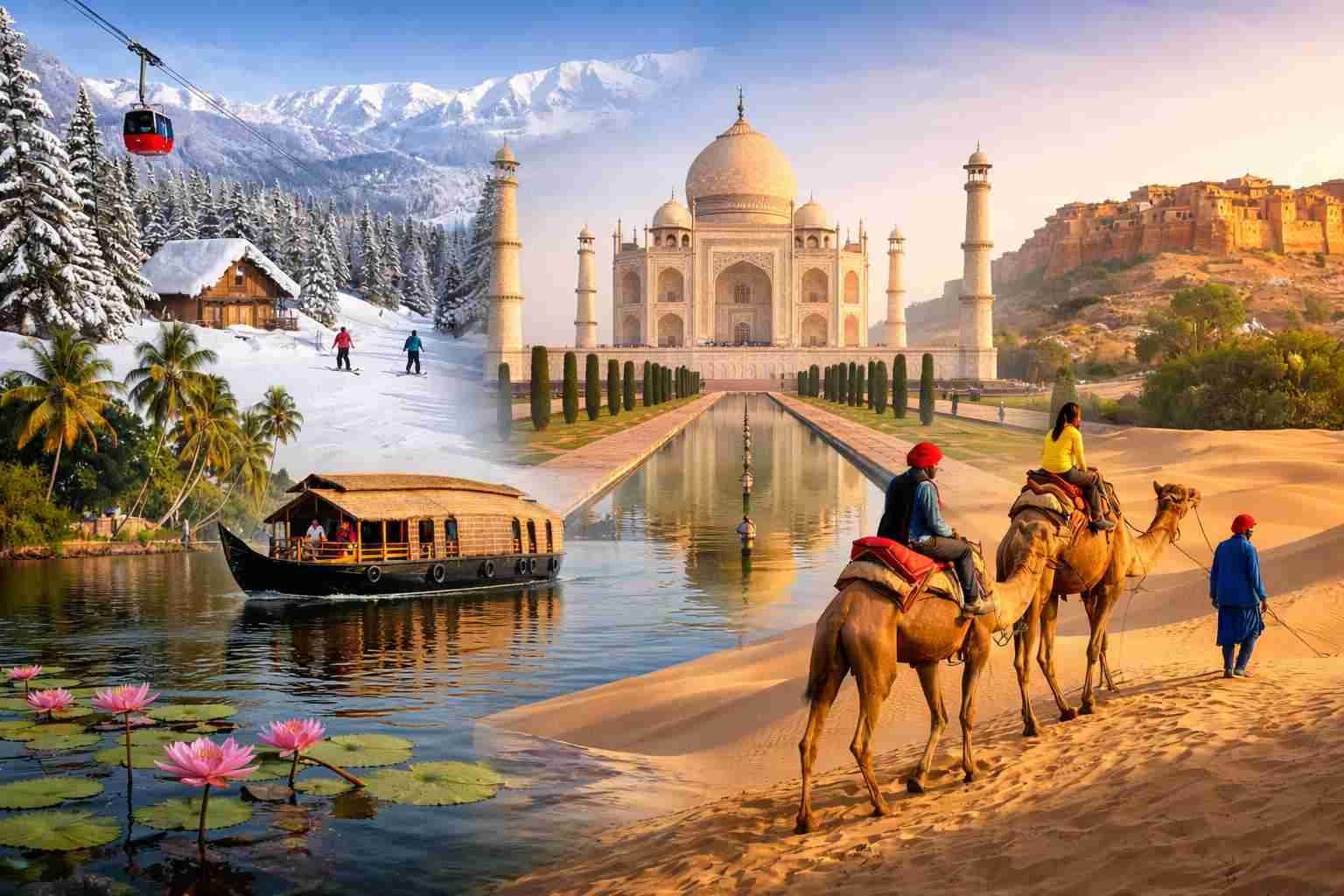
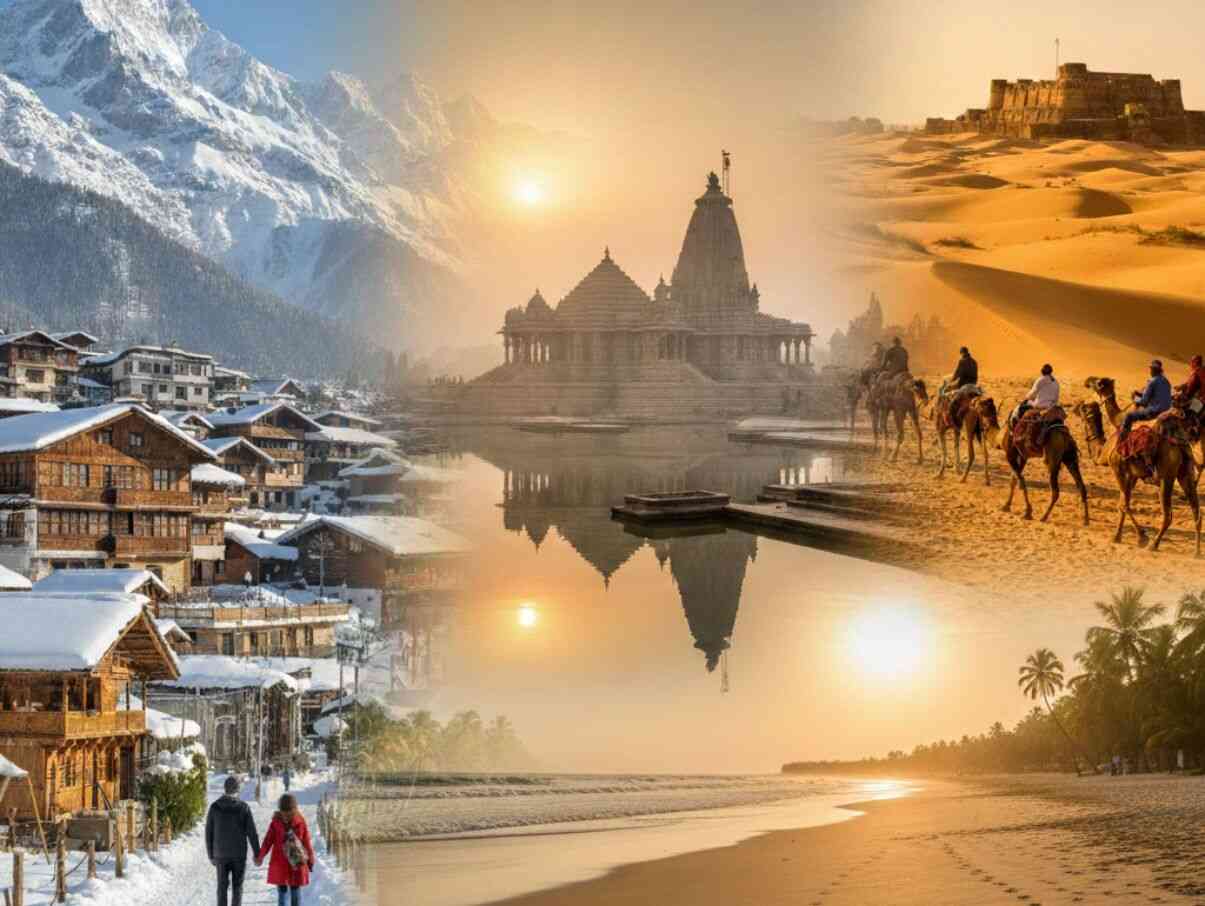
Diverse and Tranquil Landscapes: From the serene backwaters of Kerala to the majestic Himalayas and the tranquil beaches of Goa, India boasts a stunning array of landscapes that offer a natural escape from the stresses of modern life. These environments provide opportunities for relaxation, rejuvenation, and connection with nature, all of which can contribute to improved sleep.
Luxury Wellness Retreats: India is home to numerous world-class wellness retreats and resorts that specialize in holistic health and well-being. These establishments offer comprehensive sleep programs, personalized treatments, and expert guidance to help guests achieve optimal sleep quality.
Spiritual Significance: India’s rich spiritual heritage can also contribute to a better sleep experience. Exploring temples, monasteries, and sacred sites can promote a sense of inner peace and tranquility, reducing stress and anxiety that often interfere with sleep.
Affordable Luxury: Compared to some Western countries, India offers a relatively affordable luxury travel experience. This makes it an attractive option for individuals seeking high-quality sleep programs and accommodations without breaking the bank.
Sleep Tourism Destinations in India:
Kerala
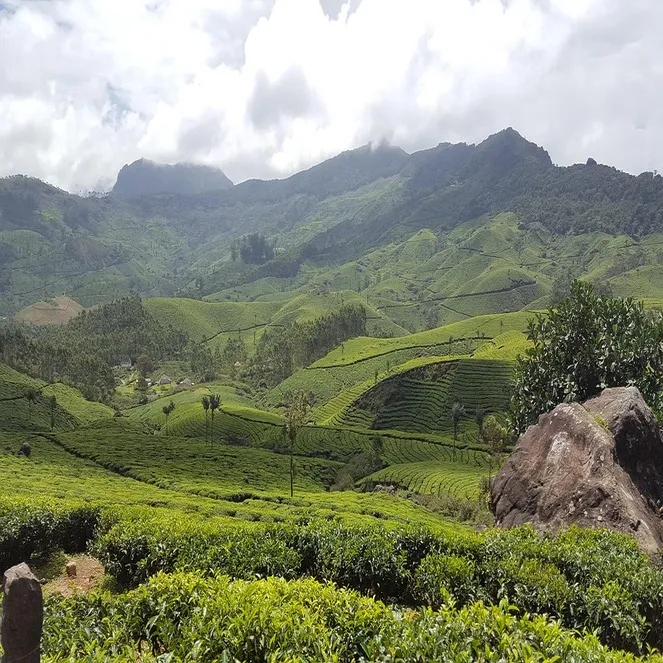
Uttarakhand and Himachal Pradesh

Goa

Rajasthan
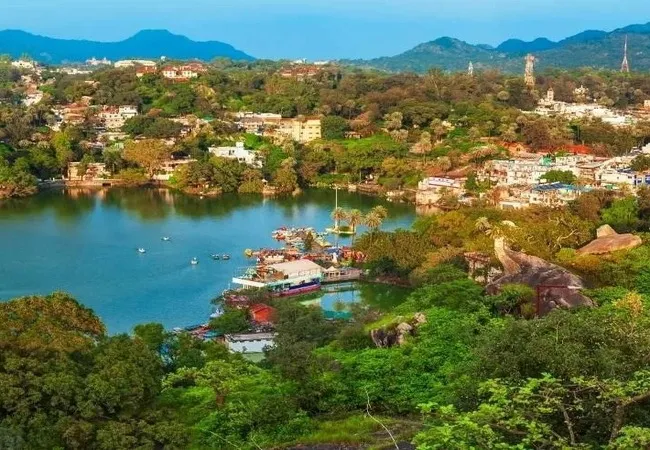
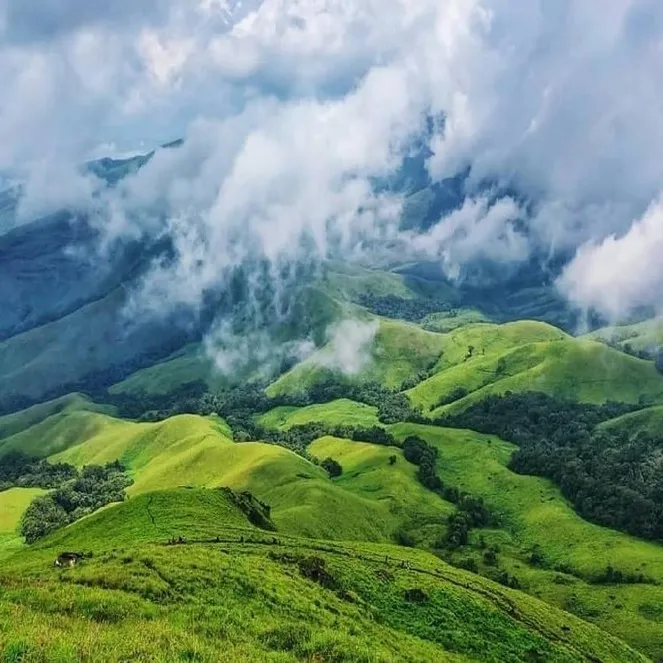
Coorg, Karnataka
The Future of Sleep Tourism in India:
More Specialized Sleep Programs: A greater focus on personalized sleep assessments and customized treatment plans tailored to individual needs.
Integration of Technology: Increased use of sleep trackers, wearable devices, and other technologies to monitor and improve sleep quality.
Collaboration with Sleep Experts: Partnerships between hotels, resorts, and sleep specialists to provide expert guidance and support to guests.
Expansion of Destination Options: Development of new sleep tourism destinations in lesser-known regions of India, showcasing the country’s diverse range of landscapes and cultural traditions.
Increased Focus on Sustainability: Emphasis on eco-friendly practices and sustainable tourism to minimize the environmental impact of sleep tourism.
In conclusion

Chhavi Daksha
Chhavi is a seasoned travel writer and tour expert with a deep passion for discovering hidden gems around the India. With years of experience crafting engaging travel guides, itineraries, and cultural insight.