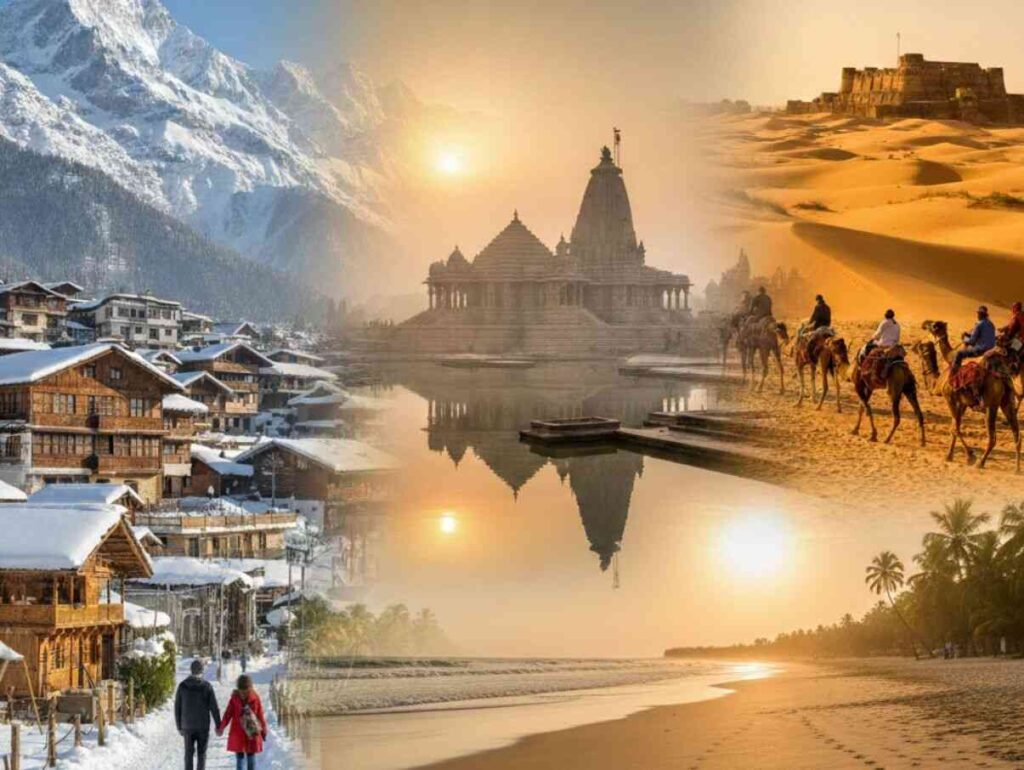
Why Visit India in January?
- Pleasant Weather: Most of the country enjoys cool, dry, and sunny weather. The northern plains are crisp and cool, the hills are snowy but accessible, and the southern peninsula is warm without the oppressive humidity.
- Festivals Galore: January is a month of celebrations. From the grand Republic Day parade in Delhi to the vibrant Kumbh Mela (which occurs every 12 years), and the International Kite Festival in Gujarat, there’s cultural immersion at every turn.
- Wildlife Safaris: With dry deciduous forests shedding leaves, visibility is excellent for spotting wildlife in national parks like Ranthambore and Bandhavgarh.
- Trekking and Adventure: The pre-monsoon and post-monsoon trekking seasons in the Himalayas overlap in January, offering clear trails and stunning views of snow-clad peaks.
- Beach Bliss: The beaches of Goa, Kerala, and the Andamans are at their best—sunny, dry, and perfect for water activities.
1. North India: Snow, History, and Spiritual Serenity
Agra, Uttar Pradesh
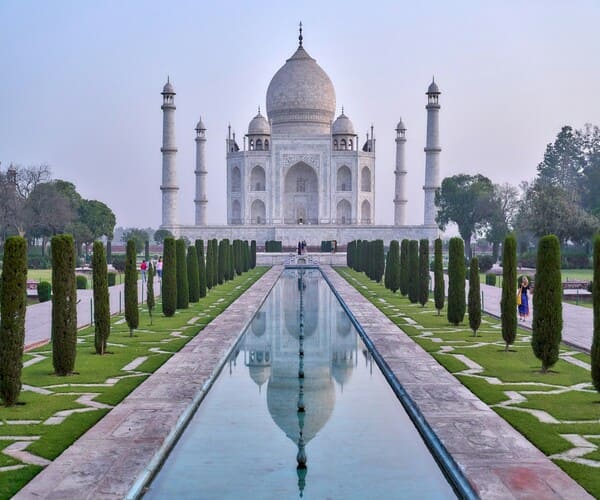
Key Attractions:
- Taj Mahal: Visit at sunrise for ethereal views. The foggy winter morning adds a mystical charm.
- Agra Fort: Explore this UNESCO World Heritage Site, a red sandstone fortress that tells tales of the Mughal Empire.
- Fatehpur Sikri: A short drive away, this abandoned city is a masterpiece of Mughal architecture.
Travel Tip: Combine your visit with the Taj Mahotsav (usually held in February), a cultural festival showcasing crafts, music, and dance.
Jaipur, Rajasthan
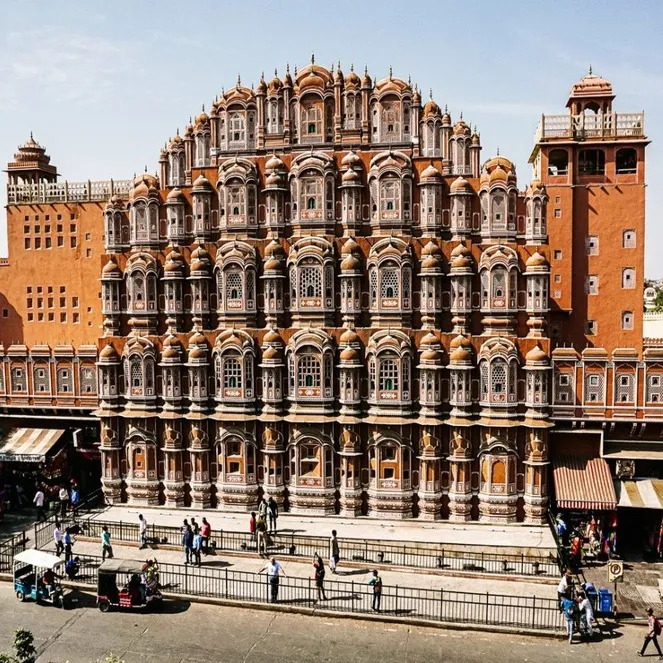
Key Attractions:
- Amber Fort: Ride an elephant or take a jeep up to this hilltop fort for panoramic views.
- City Palace and Hawa Mahal: Iconic symbols of Rajput and Mughal architecture.
- Jantar Mantar: The astronomical observatory with its giant sundials.
- Jaipur Literature Festival (Late January): If your dates align, this is the world’s largest free literary festival, attracting authors and thinkers globally.
Travel Tip: Stay in a heritage haveli for an authentic experience. January is also great for a camel safari in the nearby Sam Sand Dunes.
Rishikesh & Haridwar, Uttarakhand

Key Attractions:
Laxman Jhula & Ram Jhula: Iconic suspension bridges over the Ganga.
Triveni Ghat (Haridwar): Witness the evening Ganga Aarti—a mesmerizing ritual of light and sound.
Adventure Activities: White-water rafting is available (though water is chilly), and trekking to nearby waterfalls is refreshing.
Travel Tip: Visit the Beatles Ashram for a slice of pop culture history. January’s cool weather is perfect for outdoor yoga sessions.
2. North-East India: Tea Gardens and Tribal Culture
Darjeeling, West Bengal
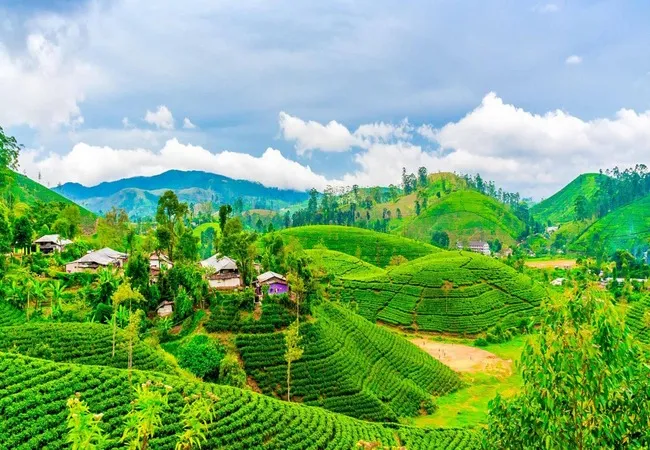
Key Attractions:
Darjeeling Himalayan Railway (Toy Train): A UNESCO World Heritage Site, this narrow-gauge railway offers a scenic ride through tea gardens.
Tiger Hill: Wake up early to witness the sunrise over Kanchenjunga.
Tea Gardens: Tour estates like Happy Valley to learn about tea processing.
Batasia Loop: A engineering marvel of the toy train.
Travel Tip: Pack warm layers, as mornings and evenings can be cold. Try local momos and thukpa for warmth.
Kaziranga National Park, Assam
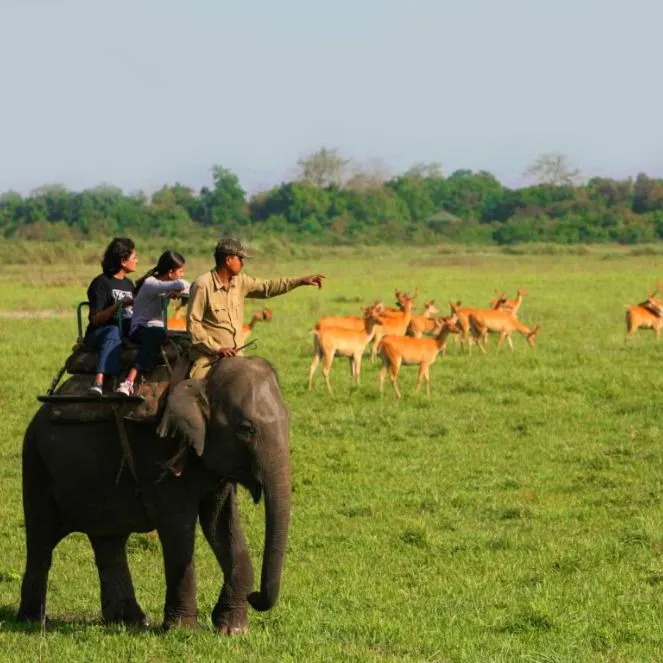
Key Attractions:
Jeep Safaris: Explore the central and western ranges for rhino sightings.
Elephant Safaris: A unique way to traverse the park (book in advance).
Bird Watching: January is excellent for migratory birds like the bar-headed goose.
3. West India: Festivals and Beaches
Goa
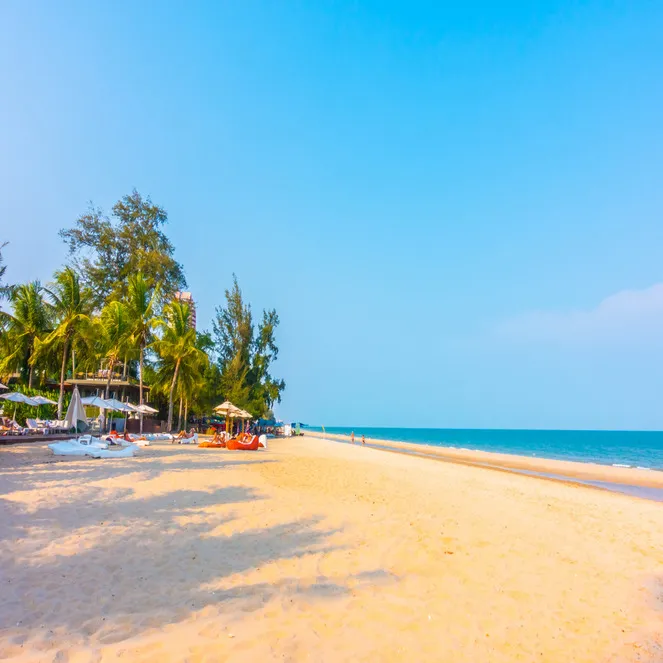
Key Attractions:
- Beaches: Anjuna for shacks, Palolem for serenity, and Baga for nightlife.
- Churches of Old Goa: UNESCO World Heritage Sites like Basilica of Bom Jesus.
- Spice Plantations: A tour to learn about Goa’s spice trade.
- Goa Carnival (February, but events start in late January): Parades, music, and dance—book early!
Rann of Kutch, Gujarat
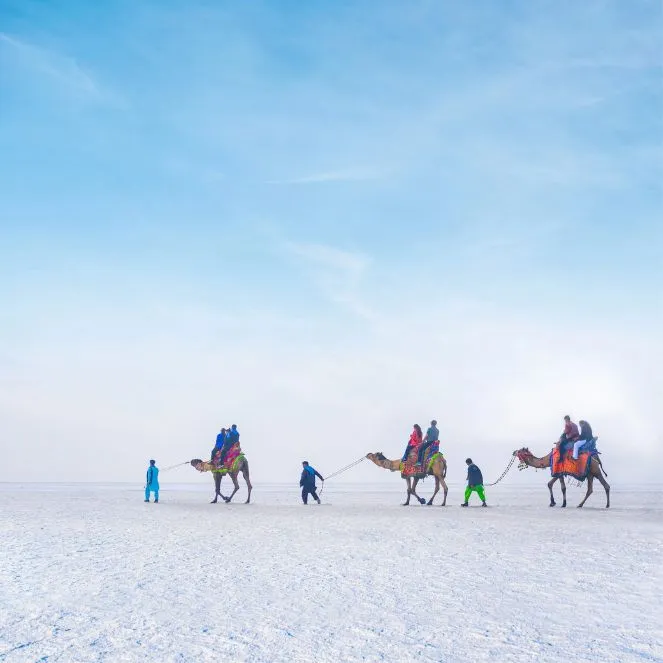
Key Attractions:
Rann Utsav: Experience folk dances, music, and crafts in the tent city.
White Desert: Walk on the vast salt flats at sunset.
Kalo Dungar: The highest point in Kutch for panoramic views.
Wild Ass Sanctuary: Spot the Indian wild ass and other wildlife.
4. South India: Temples, Backwaters, and Hill Stations
Kerala (Munnar & Backwaters)
Key Attractions:
- Munnar: Explore tea estates like Lockhart Tea Garden and hike to Echo Point.
- Alleppey Backwaters: A houseboat cruise through serene canals.
Kumarakom Bird - Sanctuary: January is great for birdwatching.
Varkala Beach: Cliffs and Ayurvedic spas for relaxation.
Ooty, Tamil Nadu
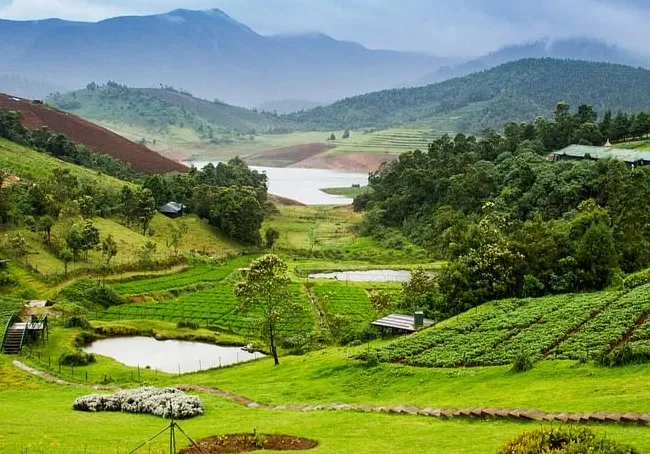
Key Attractions:
- Ooty Lake: Boating and picnics amid winter mist.
- Botanical Gardens: Home to rare plants and the annual flower show.
- Nilgiri Mountain Railway: A toy train ride through scenic routes.
- Doddabetta Peak: The highest point in the Nilgiris.
5. Central India: Wildlife and Heritage
Khajuraho, Madhya Pradesh
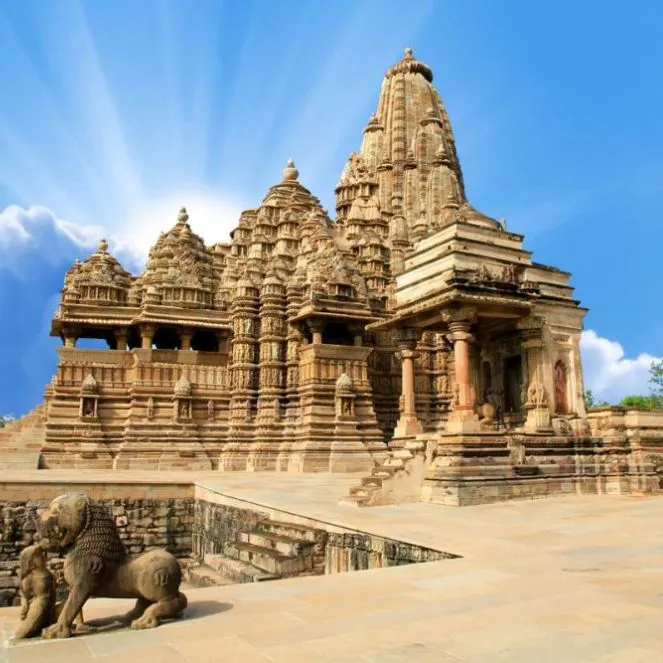
Key Attractions:
- Western Group of Temples: UNESCO World Heritage Site with intricate sculptures.
- Sound and Light Show: Narrates the history of the temples at night.
- Raneh Falls: A natural canyon nearby, ideal for a day trip.
Bandhavgarh National Park, Madhya Pradesh
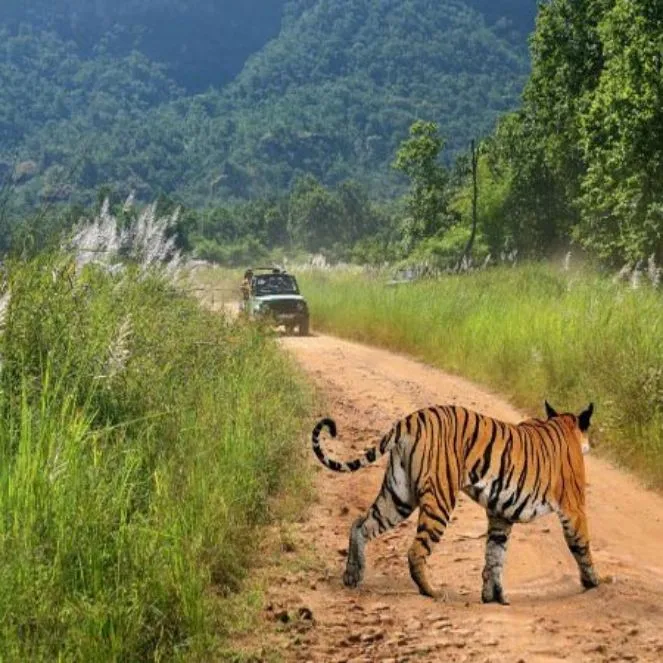
Key Attractions:
- Jeep Safaris: Explore the Tala zone for tiger sightings.
- Bandhavgarh Fort: Ancient ruins on a hilltop.
- Bird Watching: Over 250 bird species.
6. South-East India: Islands and Beaches
Andaman and Nicobar Islands
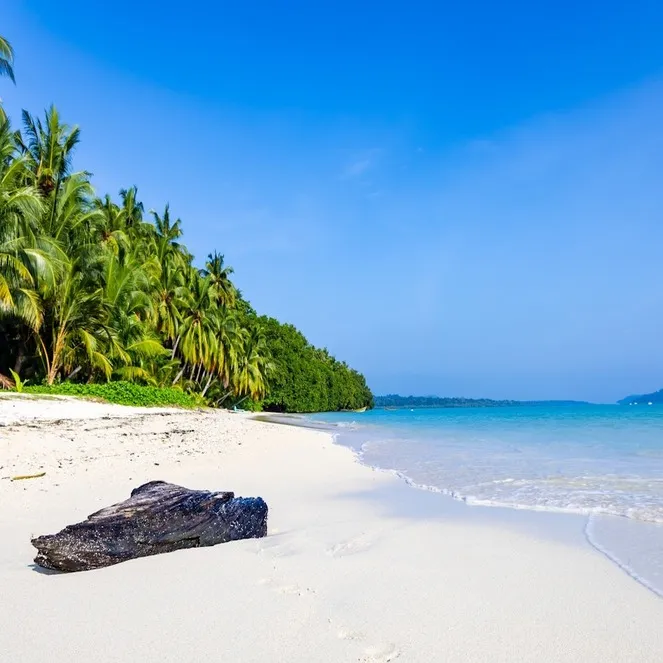
Key Attractions:
Havelock Island: Home to Radhanagar Beach (ranked among Asia’s best).
Cellular Jail (Port Blair): A historical site with a moving light show.
Scuba Diving: January offers excellent visibility for underwater exploration.
Neil Island: For coral reefs and relaxation.
Pondicherry
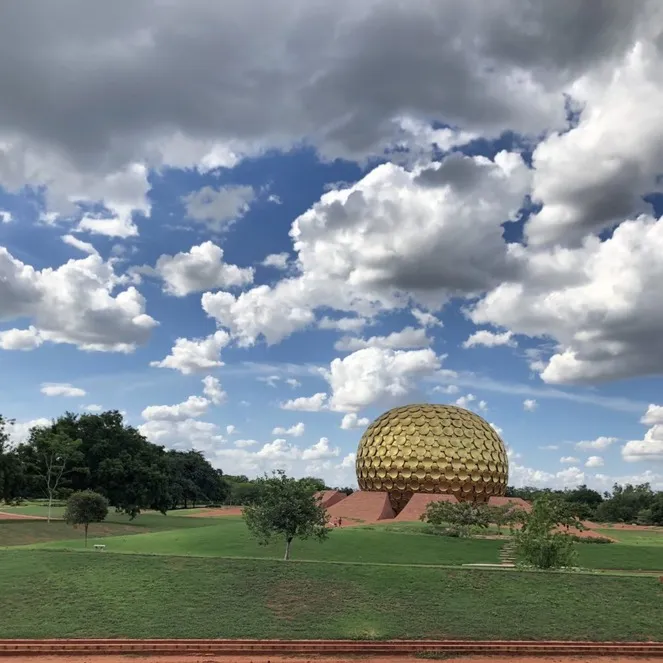
Key Attractions:
Promenade Beach: Evening walks and cafes.
Auroville: The experimental township with the Matrimandir.
French Quarter: Colonial architecture and boutiques.
Planning Your January Trip: Practical Tips
Weather and Packing
North India: Pack heavy woolens for hills (thermals, jackets, gloves) and light woolens for plains.
South India: Light layers for coastal areas; woolens for hill stations.
West and Central India: Cottons for daytime, a light jacket for evenings.
General: Sunscreen, sunglasses, and a hat for sunny days. Comfortable walking shoes are a must.
Accommodation and Bookings
- January is peak season, so book flights and hotels 2-3 months in advance, especially for popular spots like Goa, Jaipur, and the Taj Mahal.
- Visit website Fix Our Trip for best deals. For national parks, book safaris through official state tourism sites.
Transportation
- Flights: Major cities like Delhi, Mumbai, and Bangalore have good connectivity to tourist hubs.
- Trains: India’s rail network is excellent—use IRCTC for bookings. Rajdhani and Shatabdi Express trains are comfortable for long distances.
- Road Trips: Rent a car or use buses for flexibility, especially in Rajasthan and Kerala.
Budget Considerations
Economy: Backpacker hostels and budget hotels (₹1,000–₹3,000/night).
Mid-Range: Heritage properties and boutique stays (₹3,000–₹8,000/night).
Luxury: Oberoi, Taj, or Taj Mahal hotels (₹10,000+/night).
Daily expenses: ₹1,500–₹3,000 per person for food, transport, and entry fees.
Health and Safety
Altitude Sickness: For hill stations like Darjeeling or Munnar, acclimatize slowly and carry medication if needed.
Food and Water: Stick to bottled water and hygienic eateries. Try street food cautiously.
Conclusion: Your January Adventure Awaits

Chhavi Daksha
Chhavi is a seasoned travel writer and tour expert with a deep passion for discovering hidden gems around the India. With years of experience crafting engaging travel guides, itineraries, and cultural insight.